
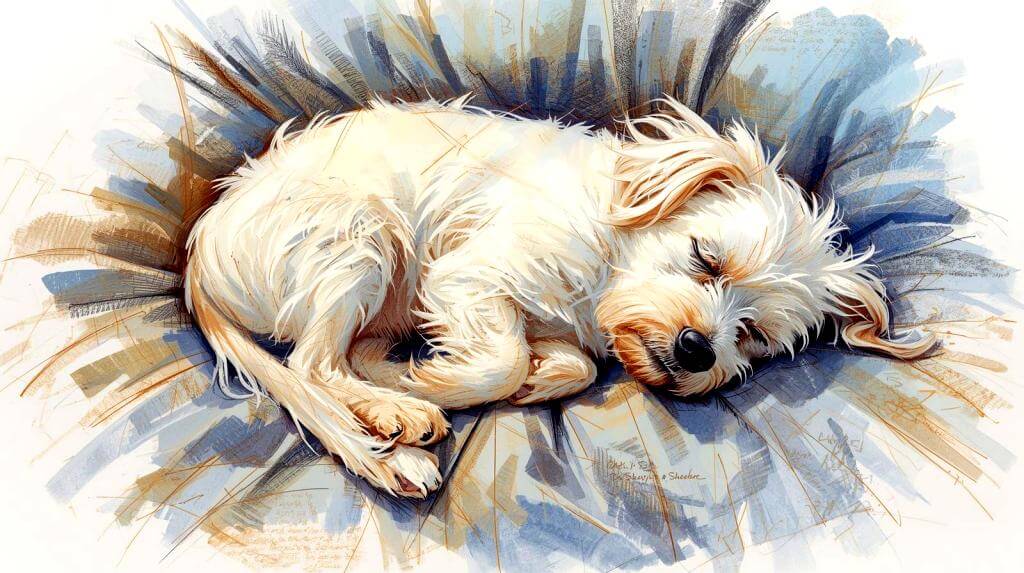
Many dog owners think a good walk means covering a lot of ground at a brisk pace. While that might be true for high-energy breeds, it’s not always the best approach for every dog. For small, senior, or mobility-impaired pups, a slow, calm walk can be far more beneficial. These gentle strolls offer a wealth of physical and mental health advantages that a fast-paced trek might miss.
This guide will explore the many benefits of embracing a slower pace with your small canine companion. We’ll cover why gentle exercise is so important, especially for senior dogs, and how you can tailor walks to your dog’s specific needs. We’ll also share tips for keeping your furry friend safe in busy urban areas and discuss how calm walks can deepen the bond you share.
Gentle Exercise for Senior and Small Dogs
As dogs age, their physical capabilities naturally change. Just like humans, senior dogs often experience joint stiffness, arthritis, and reduced stamina. High-impact activities or long, strenuous walks can put too much strain on their aging bodies, leading to pain or even injury. This is where gentle dog walking becomes essential.
Slow, deliberate walks offer several key benefits for older dogs:
- Maintains Joint Health: Gentle movement helps lubricate joints and can alleviate some of the stiffness associated with arthritis. Unlike running or jumping, a slow walk is a low-impact exercise that won’t put undue stress on sensitive areas.
- Prevents Muscle Atrophy: Regular, gentle exercise helps senior dogs maintain muscle mass, which is crucial for supporting their joints and maintaining mobility as they age.
- Boosts Circulation: A leisurely stroll is enough to get the blood flowing, which helps deliver oxygen and nutrients throughout the body, supporting overall cardiovascular health.
- Aids in Weight Management: Obesity can be a significant problem for less active senior dogs. Consistent, gentle walks help burn calories and maintain a healthy weight, reducing the risk of weight-related health issues like diabetes and heart disease.
Small breeds, regardless of age, can also benefit from a calmer pace. Their shorter legs mean they have to work much harder to keep up with a human’s long strides. A slower walk allows them to move comfortably without getting overtired or overwhelmed.
Customizing Walks for Dogs with Mobility Issues
Every dog is an individual, and their exercise needs can vary greatly, especially if they have mobility issues. Whether your dog is recovering from an injury, has a chronic condition like hip dysplasia, or is simply slowing down with age, customizing their walk is key to their well-being.
Here’s how you can tailor calm walks for dogs with limited mobility:
- Let Your Dog Set the Pace: This is the most important rule. Pay close attention to your dog’s body language. If they start to lag, pant heavily, or show signs of discomfort, it’s time to slow down or head home. The goal is enjoyment, not endurance.
- Keep It Short and Sweet: Multiple short walks throughout the day can be more beneficial than one long, taxing one. A 10-15 minute gentle stroll a few times a day keeps them active without pushing them past their limits.
- Choose the Right Terrain: Stick to flat, smooth surfaces like paved sidewalks or grassy parks. Avoid steep hills, rocky paths, or uneven ground that could be challenging or painful for your dog to navigate.
- Use Supportive Gear: A comfortable, well-fitting harness is often a better choice than a collar, as it distributes pressure more evenly across the body and avoids strain on the neck. For dogs with more significant mobility challenges, mobility aids like slings or even doggy wheelchairs can make walks possible and enjoyable again.
- Listen to Your Vet: Always consult your veterinarian to create an exercise plan that is safe and appropriate for your dog’s specific health condition. They can provide guidance on the ideal duration and intensity of walks.
Mental Stimulation and Bonding on Calm Walks
A walk is about so much more than just physical exercise. For a dog, it’s a sensory adventure. A slow walk gives your pup the time they need to truly engage with their environment—a practice often called a “sniffari.” Sniffing is a dog’s primary way of gathering information about the world. When they sniff a tree, a fire hydrant, or a patch of grass, they’re reading messages left by other animals, learning who’s been there, and what’s new in the neighborhood.
This mental engagement is incredibly enriching and can be just as tiring as physical exertion. Allowing your dog to sniff to their heart’s content on a calm walk provides vital mental stimulation, which can help reduce boredom and anxiety-related behaviors at home.
These leisurely strolls also offer a wonderful opportunity to strengthen the bond between you and your dog. When you’re not focused on speed or distance, you can be more present and attuned to your dog’s cues. This shared, relaxed experience builds trust and deepens your connection, making your time together more meaningful.
Safety Tips for Urban Walks
Walking a small dog in a busy urban environment comes with its own set of challenges. Their small size can make them less visible to pedestrians, cyclists, and drivers. Here are some essential safety tips to keep in mind:
- Always Use a Leash: This is non-negotiable. A leash keeps your dog safe from traffic and prevents them from running off if they get spooked. A standard-length leash (around 6 feet) is usually best, as retractable leashes can offer less control in sudden situations.
- Be Visible: Especially during early morning or evening walks, use reflective gear for both you and your dog. A light-up collar or a reflective vest can make a big difference in your dog’s visibility.
- Stay Alert: Keep your eyes and ears open. Be aware of your surroundings—cyclists, joggers, and other dogs can appear quickly. It’s a good idea to keep one earbud out if you’re listening to music.
- Teach a “Wait” Command: Training your dog to wait at curbs before crossing the street is a crucial safety skill. This prevents them from darting into traffic.
- Watch Out for Other Dogs: Not all dogs are friendly. When you see another dog approaching, be prepared to create space if necessary, especially if the other dog is much larger.
Need a Hand with Your Pup?
We understand that life can get busy, and it might not always be possible to give your dog the slow, attentive walks they need. That’s where a professional dog walker who specializes in senior dog exercise and small breeds can be a lifesaver.
Vanda from I’ll Walk Your Dogs has a passion for providing gentle, customized care for small and senior dogs. She understands that these pups have unique needs and focuses on creating a safe, calm, and enriching walking experience for every dog she cares for. If you’re looking for someone who will treat your furry friend with the patience and attention they deserve, Vanda is here to help.
Embrace the Slow Stroll
In a world that often rushes, taking a slow walk with your dog can be a refreshing and rewarding experience for both of you. It allows your pup to get the gentle exercise and mental stimulation they need while giving you a chance to slow down, be present, and strengthen the bond with your beloved companion. By tailoring the pace to your dog’s needs and prioritizing their safety and enjoyment, you can ensure that every walk is a happy and healthy one.