
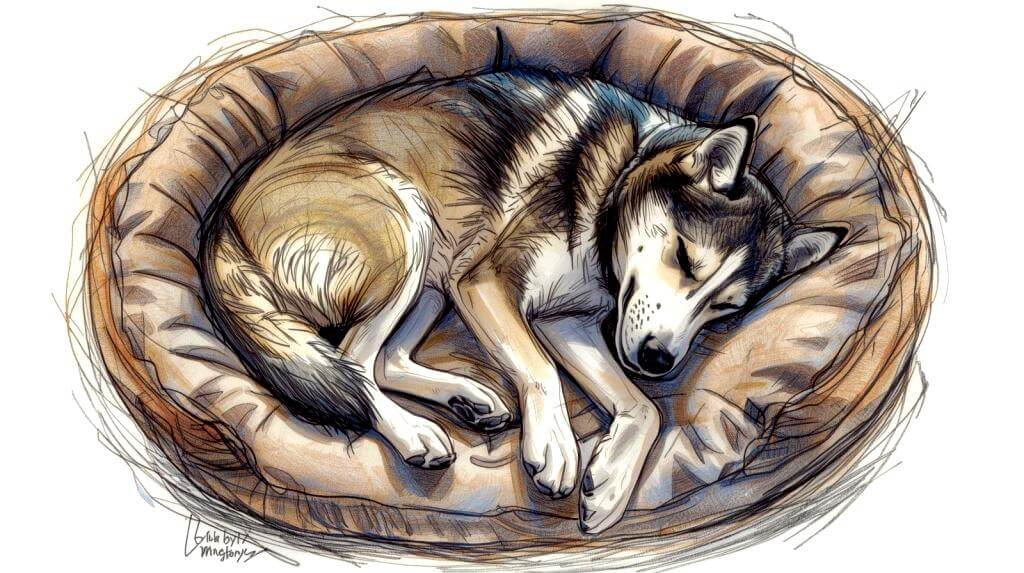
Seeing your dog’s excitement for a walk is one of the great joys of being a pet parent. But what happens when age or a medical condition makes those once-joyful outings a source of pain? For dogs with mobility issues, a standard walk can do more harm than good. The key is not to stop walking altogether but to adapt the experience to their specific needs.
This guide will help you understand how to customize walks for your dog, ensuring they remain safe, comfortable, and happy. We will cover common mobility challenges, how to assess your dog’s needs, and practical tips for creating a walking routine that supports their health and well-being.
Understanding Common Mobility Issues in Dogs
Many conditions can affect a dog’s ability to walk comfortably. Recognizing the signs is the first step toward providing the right support. Two of the most common mobility issues in dogs are arthritis and hip dysplasia.
Arthritis
Just like in humans, arthritis in dogs is a degenerative joint disease that causes pain, stiffness, and inflammation. It often affects senior dogs but can occur in younger dogs due to injury or genetics. You might notice your dog is slower to get up, limps after a walk, or seems reluctant to climb stairs. Dog arthritis walks need to be gentle and low-impact to avoid putting extra stress on their sore joints.
Hip Dysplasia
Hip dysplasia is a genetic condition where the hip joint doesn’t develop properly, leading to a loose fit of the ball and socket. Over time, this causes wear and tear, pain, and eventually arthritis. Breeds like German Shepherds, Labradors, and Golden Retrievers are more prone to this condition. Dogs with hip dysplasia may exhibit a “bunny-hopping” gait, have difficulty standing up, and show a decreased range of motion. For hip dysplasia dogs, walks should be carefully managed to build muscle without over-exerting the joints.
Assessing Your Dog’s Needs Before a Walk
Before you leash up, take a moment to observe your dog. Their body language will tell you a lot about their comfort level and energy for the day.
- Observe their movement: Watch how your dog walks around the house. Are they limping? Do they seem stiff? Are they hesitant to put weight on a particular leg?
- Check for signs of pain: Gentle palpation around the joints can reveal soreness. Look for flinching, yelping, or pulling away. If you’re unsure how to do this safely, ask your veterinarian for guidance.
- Note their energy levels: Is your dog eager to go out, or are they content to stay on their bed? A dog’s enthusiasm (or lack thereof) can be a clear indicator of how they’re feeling.
This daily assessment will help you decide the appropriate length and intensity for that day’s walk. Remember, a dog’s condition can fluctuate, so what worked yesterday might not be suitable today.
How to Plan Adapted Dog Walks
Creating a safe and enjoyable walking routine for a dog with mobility issues requires a thoughtful approach. It’s about quality, not quantity.
Adapting Walk Length and Frequency
For a healthy adult dog, a long, brisk walk is great exercise. For a dog with mobility challenges, this could be detrimental.
- Shorter, more frequent walks: Instead of one long walk, consider two or three shorter outings throughout the day. A 10-15 minute gentle stroll can be more beneficial and less taxing than a single 45-minute trek.
- Listen to your dog: Pay close attention to their signals during the walk. If they start to slow down, lag behind, or seem tired, it’s time to head home. Pushing them too hard can lead to pain and set back their progress.
- Consistency is key: A regular routine of gentle exercise helps maintain muscle mass and joint flexibility, which is crucial for senior dog mobility.
Choosing the Right Walking Environment
The surface your dog walks on can have a significant impact on their comfort.
- Soft surfaces are best: Grass, dirt trails, or even sand are much kinder to sore joints than hard pavement or concrete. If you live in an urban area, try to find a local park for your walks.
- Avoid hills and stairs: Steep inclines and stairs put extra strain on the hips and spine. Opt for flat, even terrain to make the walk as easy as possible for your dog.
- Consider temperature: Hot pavement can burn paw pads, and cold weather can make stiff joints even more painful. Walk during cooler parts of the day in the summer and consider a coat for your dog in the winter.
Mobility Aids and Supportive Gear
The right gear can make a world of difference for a dog with mobility challenges. These tools are designed to provide support, reduce strain, and improve your dog’s quality of life.
- Harnesses: A well-fitted harness is a must. Unlike collars, which can strain the neck, harnesses distribute pressure across the chest and shoulders. Look for lifting harnesses with a handle that allows you to provide extra support when your dog needs help getting up or navigating an obstacle.
- Support Slings: For dogs with significant weakness in their hind legs, a support sling can be invaluable. These slings go around your dog’s abdomen or hindquarters, allowing you to lift some of their weight and help them walk more easily.
- Dog Carts or Wheelchairs: In cases of severe paralysis or weakness, a custom-fitted dog wheelchair can restore mobility and independence. These carts support the hind legs, allowing the dog to move around using their front legs.
Essential Safety Tips for Your Walk
- Always warm up: Start with a few minutes of slow walking to warm up your dog’s muscles.
- Stay hydrated: Bring water for both you and your dog, especially on warmer days.
- Be visible: If you’re walking in the early morning or evening, use reflective gear for you and a light-up collar or vest for your dog.
- Consult your vet: Always work with your veterinarian to create an exercise plan that is safe and appropriate for your dog’s specific condition.
When You Need an Expert Hand
Adjusting to your dog’s changing needs can be overwhelming. Sometimes, you need a professional who understands the unique challenges of walking a dog with mobility issues.
That’s where Vanda of I’ll Walk Your Dog can help. With specialized experience in handling dogs with medical conditions, Vanda provides tailored walking services designed to prioritize your dog’s safety and comfort. She understands the nuances of dog arthritis walks and how to manage the needs of hip dysplasia dogs. Vanda will work with you and your vet to create a personalized walking plan, ensuring your furry friend gets the gentle exercise they need without the risk of injury.
A New Leash on Life
Caring for a dog with mobility issues requires patience, understanding, and a willingness to adapt. By customizing their walks, you can help them maintain their strength, lift their spirits, and continue to enjoy one of their favorite activities. Remember to focus on what your dog can do, celebrate the small victories, and never underestimate the power of a gentle, loving walk.
If you need support, don’t hesitate to reach out to a professional. Contact Vanda at I’ll Walk Your Dog to learn more about her specialized walking services and give your dog the expert care they deserve.
Meta data
Meta title
Walks for Dogs With Medical Conditions: A Safety Guide
Meta description
Learn how to create safe, adapted dog walks for pets with arthritis, hip dysplasia, or senior mobility issues. Find tips on gear, routes, and expert help.