
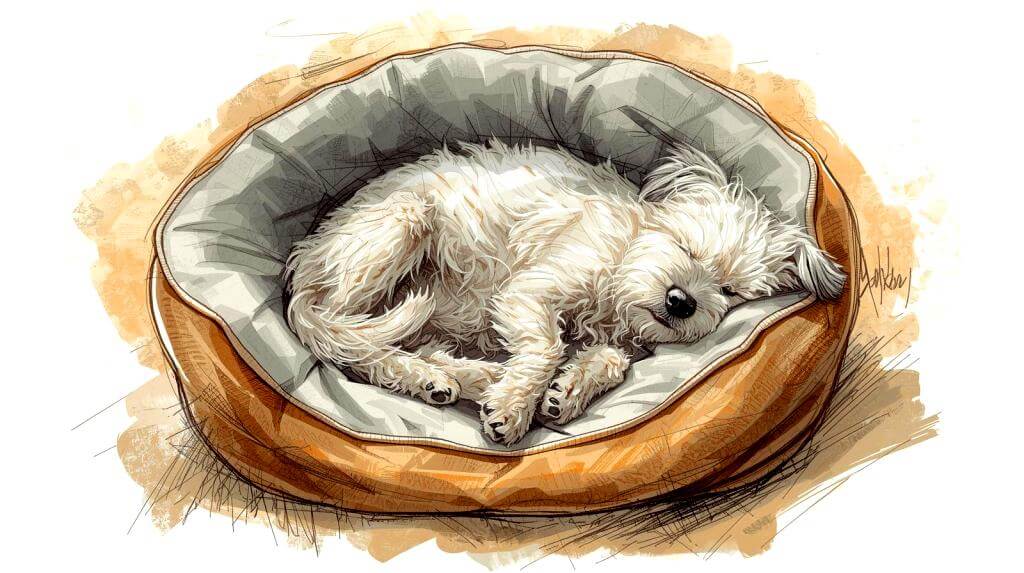
Watching your beloved companion struggle with stiff joints and painful movement can be heartbreaking. As dogs age, arthritis becomes increasingly common, affecting nearly 40% of dogs over seven years old. While this condition presents unique challenges, regular gentle exercise remains crucial for maintaining your senior dog’s quality of life, joint health, and overall well-being.
The key lies in understanding how to adapt your walking routine to accommodate your dog’s changing needs. With the right preparation, techniques, and monitoring, you can continue to provide your arthritic dog with the physical activity they need while ensuring their comfort and safety. This comprehensive guide will walk you through every aspect of caring for your senior dog during walks, from pre-walk preparations to post-exercise care.
Whether you’re navigating this journey alone or considering professional help, the strategies outlined here will help you create positive, pain-free walking experiences for your furry family member.
Understanding Arthritis in Senior Dogs
Arthritis is a degenerative joint disease that causes inflammation, stiffness, and pain in your dog’s joints. As cartilage wears down over time, bones begin to rub against each other, creating discomfort that can significantly impact your dog’s mobility and enthusiasm for activities they once enjoyed.
Common symptoms include morning stiffness that improves with gentle movement, limping or favoring certain legs, reluctance to jump or climb stairs, and decreased activity levels. You might notice your dog taking longer to get up from lying down or hesitating before walking on certain surfaces.
The condition affects walking in several ways. Your dog may move more slowly, take shorter steps, or show reluctance to navigate uneven terrain. Some dogs develop a “bunny hop” gait in their rear legs or may lag behind during walks they previously completed with ease.
Pre-Walk Preparations
Before stepping outside, proper preparation sets the foundation for a successful walk. Start by consulting your veterinarian to establish exercise limits and discuss pain management options. Your vet can recommend appropriate activity levels based on your dog’s specific condition and may prescribe medications to help manage discomfort.
Timing medication properly is crucial. If your dog takes pain relief medication, plan walks for when the medication is most effective, typically 30-60 minutes after administration. This ensures your dog experiences maximum comfort during exercise.
Invest in supportive gear designed for senior dogs. A well-fitted harness distributes pressure across the chest rather than concentrating it on the neck, reducing strain on arthritic joints. Consider a harness with a handle on top, which allows you to provide gentle assistance when needed. For dogs with rear-end weakness, a rear-support harness can be invaluable.
Additional supportive equipment might include non-slip booties for better traction, ramps for getting in and out of vehicles, and a comfortable, supportive bed for post-walk recovery.
Creating a Comfortable Walking Environment
Environmental factors significantly impact your arthritic dog’s comfort level. Plan walks during cooler parts of the day—early morning or evening—when temperatures are more moderate. Cold weather can increase joint stiffness, while hot pavement can be uncomfortable for sensitive paws.
Choose walking routes carefully. Flat, even surfaces like sidewalks or well-maintained paths are easier on arthritic joints than uneven terrain. Grassy areas provide softer surfaces and better traction, reducing the risk of slips and falls. Avoid steep hills, rocky paths, or areas with lots of obstacles that might require jumping or awkward movements.
Consider the distance to your chosen walking area. If your dog struggles with the walk to reach the “good” walking spot, drive there instead to conserve their energy for the actual exercise.
Gentle Walking Techniques for Senior Dog Walking
Begin each walk with a brief warm-up period. Allow your dog to move around slowly in the yard or walk at a very leisurely pace for the first few minutes. This gentle start helps loosen stiff joints and prepares muscles for more activity.
Maintain a controlled, slow pace throughout the walk. Let your dog set the rhythm rather than encouraging them to keep up with your preferred speed. Watch for signs that they’re comfortable—a relaxed gait, normal breathing, and engaged interest in their surroundings.
Incorporate frequent rest breaks, especially on longer walks. These pauses allow your dog to catch their breath, assess how they’re feeling, and prevent overexertion. Use these moments to offer water and check for any signs of discomfort.
Start with short distances and gradually increase as your dog’s tolerance improves. A 10-minute walk may be sufficient initially, with gradual increases to 15-20 minutes as your dog adapts. Remember that consistency is more important than distance—daily short walks are better than occasional long ones.
Monitoring Your Dog During the Walk
Vigilant observation during walks helps prevent overexertion and ensures your dog’s safety. Watch for signs of discomfort such as heavy panting, excessive drooling, limping that worsens during the walk, or reluctance to continue moving forward.
Pay attention to your dog’s breathing patterns. While some panting is normal during exercise, labored breathing or excessive panting in cool weather may indicate your dog is working too hard. If you notice these signs, slow down or take a break.
Keep water readily available, especially during warm weather. Offer small amounts frequently rather than allowing your dog to drink large quantities at once, which can cause stomach upset.
Be flexible with your plans. If your dog seems particularly stiff or reluctant on a given day, don’t hesitate to shorten the walk or head home early. Some days will be better than others, and that’s perfectly normal with aging dog care.
Post-Walk Care and Recovery
The walk doesn’t end when you return home. Post-exercise care is essential for preventing stiffness and promoting recovery. Allow for a brief cool-down period with slow, gentle movement before settling in for rest.
Check your dog’s condition after the walk. Look for any new limping, swelling, or areas of sensitivity. Gentle massage of stiff areas can promote circulation and provide comfort, but avoid applying pressure to swollen or obviously painful joints.
Some dogs benefit from warm compresses on arthritic joints after exercise, while others prefer cool therapy. Observe your dog’s response to determine their preference. Always wrap compresses in a towel to prevent direct contact with skin.
Ensure your dog has access to a comfortable, supportive resting area. Orthopedic beds with memory foam can provide additional joint support during recovery time.
Addressing Specific Challenges
Senior dogs often face additional challenges beyond arthritis. Dogs with vision or hearing impairments benefit from consistent, familiar routes and clear verbal cues. Keep these dogs on leash for their safety and use encouraging voice commands to guide them.
Cognitive decline may make new environments confusing or stressful. Stick to familiar routes and maintain consistent walking times to provide comfort through routine. If your dog seems confused or anxious, return home and try again later.
Dogs with respiratory issues require extra attention to breathing patterns and may need more frequent breaks. Exercise during cooler temperatures and avoid areas with poor air quality or strong odors that might trigger breathing difficulties.
Professional Help: Expert Gentle Dog Exercise Support
Sometimes, professional assistance can make a significant difference in your senior dog’s care. Vanda of I’ll Walk Your Dog’s specializes in creating personalized walking plans for senior dogs with arthritis and other age-related conditions. Professional dog walkers experienced with senior dogs understand the nuances of gentle dog exercise and can provide the specialized attention your pet needs.
Professional services offer several advantages: expertise in reading canine body language to detect discomfort early, knowledge of appropriate exercise modifications for various conditions, and the ability to provide consistent care when owners travel or face schedule conflicts. A professional walker can also serve as an additional set of eyes, monitoring changes in your dog’s condition and reporting concerns to you and your veterinarian.
Making Every Walk Count
Caring for a senior dog with arthritis requires patience, observation, and adaptability. By implementing gentle walking techniques, proper preparation, and attentive monitoring, you can help your aging companion maintain mobility and enjoy their daily exercise routine.
Remember that every dog is unique, and what works for one may need adjustment for another. Regular communication with your veterinarian ensures your approach remains appropriate as your dog’s condition changes over time. The investment in proper senior dog walking techniques pays dividends in improved quality of life, better joint health, and continued bonding experiences with your beloved pet.
Consider consulting with professionals experienced in aging dog care if you need additional support or guidance. Your senior dog deserves comfortable, safe exercise that honors their changing needs while maintaining the joy and connection that daily walks provide.