
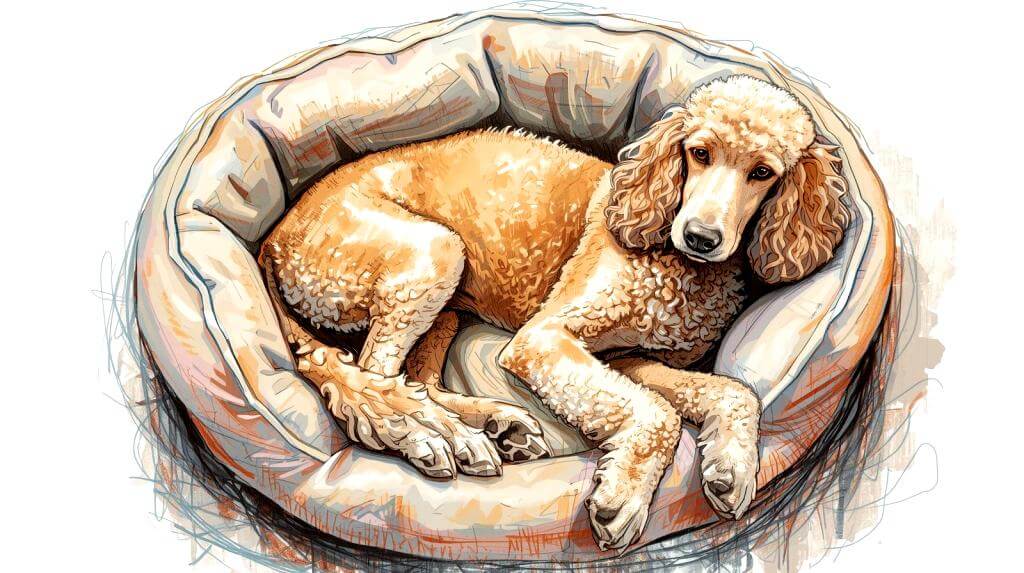
Watching your once-energetic puppy slow down can be tough. Arthritis and joint pain are common in aging dogs, and they can turn a joyful walk into a challenging and painful experience. But keeping your senior dog active is crucial for their physical and mental health. The key is to adapt your routine to ensure their walks are safe, comfortable, and enjoyable.
This guide will provide you with practical tips on how to safely walk dogs with arthritis. We’ll cover everything from pre-walk preparations to post-walk care, helping you give your furry friend the gentle exercise they need.
Understanding Arthritis in Dogs
Arthritis is a degenerative joint disease that causes inflammation, stiffness, and pain in your dog’s joints. It happens when the cartilage that cushions the joints wears down over time, causing the bones to rub against each other. While it’s most common in senior dogs, it can also affect younger dogs, particularly larger breeds or those with a history of joint injuries.
Keeping an eye out for symptoms is the first step in managing your dog’s joint pain.
Common Symptoms of Arthritis in Dogs
- Difficulty getting up: You might notice your dog struggling to stand up after lying down for a while.
- Limping or favoring a limb: They may put less weight on one leg, especially after exercise.
- Reluctance to move: A decreased interest in playing, climbing stairs, or jumping onto furniture can be a sign of discomfort.
- Stiffness: Their movements might seem stiff, particularly in the morning or in cold weather.
- Irritability: Pain can make even the sweetest dog grumpy or withdrawn. If they yelp or snap when touched, it could be due to pain.
- Licking or chewing joints: Dogs often lick or chew at areas that are sore.
If you notice any of these signs, it’s important to consult your veterinarian for a proper diagnosis and treatment plan.
Preparing for a Safe Walk
A little preparation can make a big difference in ensuring a comfortable walk for a dog with joint pain. Before you even clip on the leash, take a moment to plan ahead.
Pre-Walk Assessment
Check in with your dog before you head out. Are they having a good day or a bad day? If they seem particularly stiff or lethargic, a shorter, more gentle walk might be best. On days they seem more energetic, you might be able to go a little further. Trust your instincts and pay attention to your dog’s cues.
Choosing the Right Gear
The right equipment can provide support and prevent additional strain on your dog’s joints.
- Harness vs. Collar: A well-fitted harness is generally better than a collar for dogs with arthritis. Harnesses distribute pressure more evenly across the chest and shoulders, avoiding strain on the neck and back. Look for padded, front-clip harnesses for better control and comfort.
- Leash: A standard, non-retractable leash gives you better control over your dog’s pace and prevents sudden jerks that could cause injury.
- Footwear: If you’re walking on hot pavement or rough terrain, consider protective dog boots. They can provide extra cushioning and protect sensitive paws.
Weather and Timing
Weather can significantly impact a dog with arthritis. Cold, damp conditions can make joints feel stiffer, while extreme heat can lead to dehydration and exhaustion.
- Timing: On hot days, walk early in the morning or late in the evening to avoid the midday sun. In colder weather, aim for the warmest part of the day.
- Conditions: Avoid walking in icy or slippery conditions, which increase the risk of falls and injury.
During the Walk
Once you’re out, the goal is to provide gentle exercise without overdoing it. Keep the walk slow, steady, and focused on your dog’s comfort.
Pace and Duration
Let your dog set the pace. A slow, leisurely stroll is perfect for senior dog walking. It’s better to have several short, 10-15 minute walks throughout the day than one long, strenuous one. This keeps their joints mobile without causing fatigue.
Ideal Walking Surfaces
Softer surfaces are much kinder to aging joints.
- Best: Grass, dirt trails, or rubberized tracks are excellent choices.
- Avoid: Hard surfaces like concrete and asphalt can be jarring. If you have no other option, try to walk on the grassy edge of the sidewalk.
Recognizing Signs of Pain or Fatigue
Stay vigilant during the walk. If you notice any of the following signs, it’s time to head home:
- Slowing down significantly or stopping frequently
- Limping or starting to favor a leg
- Panting heavily
- Lagging behind you
- Whining or showing signs of distress
Never force your dog to keep walking if they are showing signs of discomfort. It’s always better to cut a walk short than to risk injury.
Post-Walk Care
Your care routine shouldn’t end when you walk back through the door. A proper cool-down is just as important as the walk itself.
Cool-Down Routines
Allow your dog a few minutes of slow walking or standing to let their heart rate return to normal. A gentle massage around their hips and shoulders can also help soothe tired muscles. Avoid any deep tissue massage unless instructed by your vet.
Check for Soreness
Gently run your hands over your dog’s legs and joints to check for any new swelling or tender spots. This quick check can help you catch potential issues early.
Hydration and Rest
Make sure fresh, cool water is available. Your dog will need to rehydrate after their walk. Provide a comfortable, orthopedic bed in a quiet spot where they can rest and recover without being disturbed.
The Role of Professional Dog Walkers
Sometimes, life gets in the way, and providing the consistent, gentle walks your senior dog needs can be challenging. This is where a professional dog walker experienced in aging dog care can be a lifesaver.
At I’ll Walk Your Dogs, Vanda specializes in providing gentle dog walks tailored to the needs of senior dogs and those with mobility issues. Hiring a professional offers several benefits:
- Expertise: Vanda understands the unique needs of dogs with arthritis and knows how to provide safe, comfortable walks.
- Consistency: Your dog gets the regular, gentle exercise they need, even when you’re busy or away.
- Peace of Mind: You can rest assured knowing your beloved companion is in caring and capable hands.
Vanda can work with you to create a customized walking plan that suits your dog’s specific condition and energy levels, ensuring they stay happy and healthy.
Support Your Senior Dog’s Golden Years
Walking a dog with arthritis requires more thought and care, but it’s entirely possible to keep them active and engaged. By making a few adjustments to your routine and paying close attention to their needs, you can continue to enjoy your walks together for years to come.
If you need a helping hand with senior dog walking, don’t hesitate to seek professional support. Contact Vanda at I’ll Walk Your Dogs to learn more about how she can help provide the gentle, loving care your aging dog deserves.