
Small dogs bring enormous joy to our lives, but their compact size comes with unique challenges during warmer months. While your Chihuahua or French Bulldog might be eager for that afternoon walk, their small bodies struggle more than larger breeds to regulate temperature and cope with heat. Understanding how to prevent small dog overheating can mean the difference between a pleasant outing and a dangerous situation.
Small breed dogs face heightened risks during warm weather due to their physiology and energy levels. Their rapid breathing patterns, shorter airways, and higher metabolic rates make them vulnerable to heat-related complications. This guide will help you recognize warning signs, implement effective prevention strategies, and understand when professional dog walking services might be the safest option for your furry companion.
Understanding Small Breed Vulnerabilities
Small dogs face several physiological disadvantages when temperatures rise. Their compact respiratory systems work harder to cool their bodies through panting, while their higher surface area-to-body weight ratio means they absorb heat more quickly from their environment.
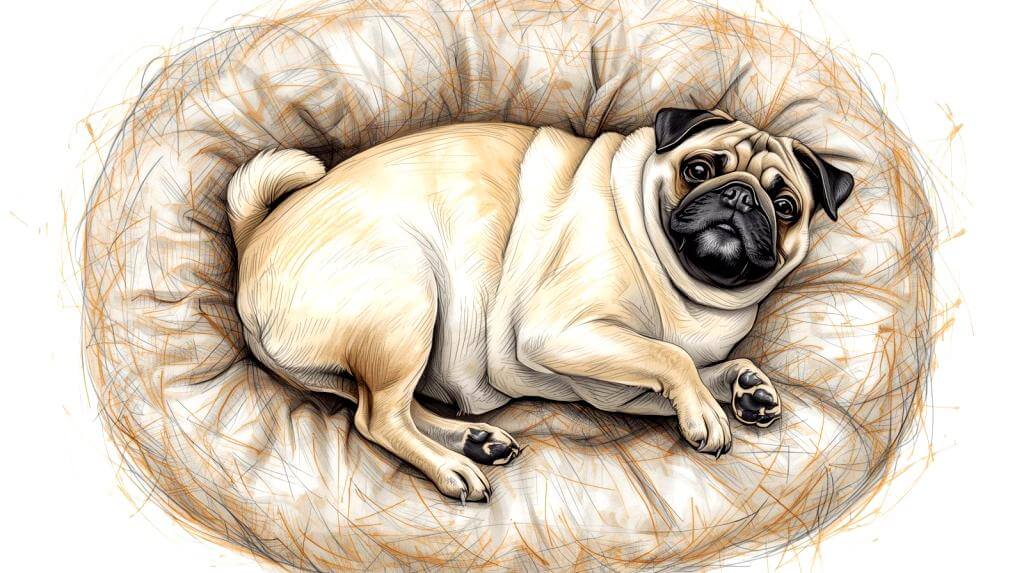
Breeds like Pugs, Boston Terriers, and French Bulldogs face additional challenges due to their flat faces and shortened airways. These brachycephalic breeds struggle even more with efficient breathing during exertion, making summer dog safety particularly crucial for these dogs.
Small dogs also tend to have higher energy levels and may not recognize their own limitations. A Yorkshire Terrier might chase a ball with the same enthusiasm in 85-degree weather as they would on a cool spring day, not understanding that their body is working much harder to stay cool.
Their proximity to hot surfaces presents another concern. While a Golden Retriever’s body sits well above scorching pavement, a Dachshund’s belly and shorter legs bring them much closer to radiant heat from concrete and asphalt.
Recognizing the Signs of Overexertion
Early detection of overheating symptoms can prevent serious complications. Watch for excessive panting that seems more intense than usual for the activity level. Normal panting should slow down within a few minutes of rest, but concerning panting continues or worsens.
Excessive drooling, especially thick or sticky saliva, signals that your dog’s cooling system is working overtime. You might also notice your dog becoming unusually sluggish, reluctant to continue walking, or seeking shade obsessively.
More serious warning signs include vomiting, diarrhea, bright red gums, or weakness in the hindquarters. If your small dog begins stumbling, seems disoriented, or shows signs of distress, immediate cooling and veterinary attention may be necessary.
Changes in breathing patterns deserve immediate attention. Rapid, shallow breathing or any difficulty breathing requires prompt action. Small dogs can progress from mild overheating to heat stroke more quickly than larger breeds.
Prevention Strategies for Warm Weather
Dog overexertion prevention starts with timing your activities appropriately. Schedule walks during the cooler morning hours, ideally before 10 AM, or wait until evening when temperatures drop and pavement has had time to cool.
Test pavement temperature with your hand or bare foot. If it’s too hot for you to comfortably touch for seven seconds, it’s too hot for your dog’s paws. Concrete and asphalt can reach temperatures well over 140°F on sunny days, causing severe burns within seconds.
Protective booties offer an excellent solution for unavoidable midday outings. Quality dog boots shield paws from hot surfaces while providing traction. Introduce booties gradually during cooler weather so your dog becomes comfortable wearing them.
Always carry fresh water during walks and offer it frequently, even if your dog doesn’t seem thirsty. Small dogs dehydrate quickly, and preventing thirst is more effective than treating it. Consider a portable water bottle designed for dogs or a collapsible bowl.
Limit intense activities during peak heat hours. Save fetch sessions, training exercises, and longer adventures for cooler parts of the day. Even indoor dogs need consideration—hot cars become deadly within minutes, and even brief stops can be dangerous.
Smart Walking Strategies
Modify your regular walking routine to accommodate higher temperatures. Shorten the distance and duration of walks, focusing on quality over quantity. Multiple short walks throughout the day work better than one long outing.
Choose shaded routes whenever possible. Tree-lined streets, parks with canopy cover, and paths away from direct sunlight help keep both you and your dog more comfortable. Grass surfaces stay cooler than concrete, so seek out grassy areas when available.
Watch your dog’s pace and body language throughout the walk. Allow frequent rest stops in shaded areas, and don’t push your dog to keep up if they’re slowing down. Their instincts for self-preservation aren’t always reliable in hot weather.
Consider the “lift test” for very small dogs. If your Chihuahua or Pomeranian seems tired, carrying them for portions of the walk can prevent overexertion while still allowing them to enjoy the outdoor experience.
Pay attention to humidity levels, not just temperature. High humidity makes it much harder for dogs to cool themselves through panting, so a 78-degree humid day might be more dangerous than an 85-degree dry day.
The Value of Professional Dog Walking Services
Professional dog walkers bring experience and expertise that can significantly enhance dog walking safety during warm weather. Experienced walkers understand breed-specific needs and can adjust their approach based on each dog’s individual requirements.
Vanda of I’ll Walk Your Dogs specializes in caring for small and slow-moving dogs, recognizing that these breeds need different considerations than their larger, more athletic counterparts. Professional walkers carry emergency supplies, know the coolest routes in your neighborhood, and understand how to recognize early warning signs of overheating.
A professional dog walking service also provides consistency in care. Your dog receives appropriate exercise even when your schedule doesn’t allow for optimal timing, ensuring they stay healthy and happy without compromising their safety.
Professional walkers often have backup plans for extreme weather days. They might offer shorter indoor play sessions, mental stimulation activities, or postpone walks until conditions improve. This flexibility ensures your dog’s needs are met safely regardless of weather conditions.
Creating a Safe Summer Routine
Establish a summer routine that prioritizes your small dog’s safety while maintaining their physical and mental health. This might mean earlier morning wake-ups to accommodate cooler walking times, or investing in indoor enrichment activities for the hottest days.
Keep a thermometer handy and learn to gauge both air temperature and humidity levels. Many weather apps provide “feels like” temperatures that better represent the actual conditions your dog will experience.
Prepare a cooling kit for walks: water for both drinking and emergency cooling, a small towel, and perhaps a cooling vest for dogs that overheat easily. Keep this kit readily available during warm months.
Consider your dog’s individual factors. Older dogs, overweight dogs, and those with health conditions need extra precautions. Dark-colored coats absorb more heat, while thick coats provide less efficient cooling.
Prioritizing Your Small Dog’s Summer Safety
Small dog overheating is a serious concern that requires proactive planning and careful attention. By understanding your dog’s vulnerabilities, recognizing warning signs, and implementing smart prevention strategies, you can help your small companion enjoy summer safely.
The key to successful dog overexertion prevention lies in preparation and awareness. Adjust your expectations for summer activities, invest in protective gear when needed, and never hesitate to seek professional help when your schedule or expertise might not be sufficient.
Consider enlisting the help of experienced dog walking services like I’ll Walk Your Dogs, where professionals understand the unique needs of small breeds and can provide peace of mind during challenging weather conditions. Your small dog’s safety and happiness are worth the investment in proper summer care.