
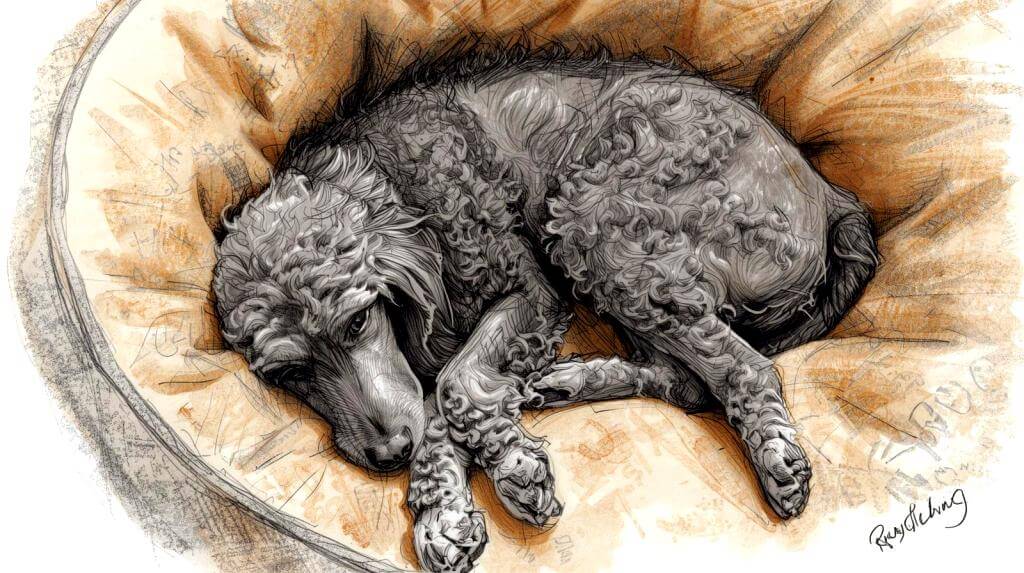
Watching a dog struggle with mobility can be heartbreaking. Whether it’s arthritis, hip dysplasia, or the natural wear of aging, these conditions can shake a dog’s confidence and enthusiasm for life. But here’s what many pet parents don’t realize: consistent, adapted exercise can make a profound difference.
Regular walks tailored to your dog’s abilities aren’t just about physical health. They provide mental stimulation, maintain muscle strength, and create a predictable routine that helps anxious or uncertain dogs feel secure. The key is consistency—showing up day after day with patience and the right approach.
Vanda of I’ll Walk Your Dog understands this better than most. With specialized training in handling dogs with mobility issues, she’s witnessed countless transformations in senior dogs and those with physical limitations. Through gentle, adapted walks and unwavering routine, these dogs rediscover their confidence one step at a time.
Understanding Mobility Issues in Dogs
Mobility challenges affect dogs in different ways, but they all share one common impact: they limit a dog’s ability to move freely and confidently through their world.
Arthritis is one of the most common culprits, causing inflammation in the joints that makes movement painful and stiff. You might notice your dog hesitating before climbing stairs or taking longer to stand up after rest. The discomfort can make them reluctant to engage in activities they once loved.
Hip dysplasia, often hereditary, occurs when the hip joint doesn’t develop properly. This malformation causes the joint to wear down unevenly, leading to pain and reduced mobility. Large breed dogs are particularly susceptible, though it can affect any size.
Age-related challenges bring their own set of issues. As dogs grow older, they naturally lose muscle mass and joint flexibility. Their reflexes slow, balance becomes shakier, and what was once an easy trot becomes a careful, deliberate walk.
These physical limitations don’t just affect how a dog moves. They change how a dog feels about themselves and their environment. A once-bold retriever might become hesitant and withdrawn. An adventurous terrier might lose interest in exploring. When movement hurts or feels unstable, dogs naturally become more cautious and less confident.
That’s where gentle, consistent exercise becomes transformative. Regular movement—adapted to what your dog can handle—keeps joints flexible, maintains muscle strength, and prevents the downward spiral of inactivity leading to more stiffness and weakness.
Adapting Walks to Your Dog’s Needs
Not all walks are created equal, especially when it comes to dogs with mobility issues. The goal isn’t distance or speed—it’s providing safe, beneficial exercise that builds rather than depletes your dog’s confidence.
Start by observing your dog’s baseline. How far can they walk comfortably? What’s their natural pace? When do they start showing signs of fatigue or discomfort? These observations become your roadmap for creating an adapted walking routine.
Surface selection matters significantly. Grass provides cushioning and traction without the jarring impact of concrete. Avoid gravel or uneven terrain that might cause slips or require extra effort to navigate. Sand can be too unstable for dogs with balance issues. Smooth, flat paths are your best friend.
Timing and temperature deserve consideration too. Early morning or evening walks avoid the heat of midday, which can be especially taxing for dogs with limited mobility. Cold weather can stiffen arthritic joints, so shorter, more frequent walks might work better in winter months.
Pay attention to pace and duration. Your dog should set the speed, not the other way around. If they need to stop and rest, let them. Multiple short walks throughout the day often work better than one longer outing, preventing fatigue while maintaining consistent movement.
Watch for subtle signs of discomfort: limping, reluctance to continue, excessive panting, or sitting down frequently. These are your cues to shorten the walk or head home. Pushing through discomfort doesn’t build confidence—it erodes it.
Benefits of Consistent Walks
When you commit to regular, adapted walks for your special needs dog, something remarkable happens. The changes unfold gradually, but they’re undeniable.
Physical improvements often show up first. Joints stay more flexible with regular, gentle movement. Muscles maintain their strength, supporting compromised joints and improving stability. Weight management becomes easier, reducing strain on already-stressed hips and legs. Even circulation improves, delivering nutrients to aging joints and promoting overall health.
But the mental and emotional benefits can be even more striking. Dogs thrive on routine and predictability. When they know a walk is coming at a certain time, adapted to their needs, anxiety decreases. They have something to look forward to, something that makes them feel capable rather than limited.
One of Vanda’s clients had a senior Labrador with severe hip dysplasia. Before starting consistent, adapted walks, the dog barely left his bed. After three weeks of daily, gentle 10-minute walks, he began greeting Vanda at the door with his tail wagging. Within two months, he was initiating play and showing interest in his environment again.
Another dog, an arthritic mixed breed, had become snappy and withdrawn, likely due to chronic pain and frustration. Regular walks at her own pace, combined with appropriate rest, transformed her demeanor. She became more social, more engaged, and noticeably happier.
The confidence boost comes from a simple truth: when dogs can move comfortably and predictably, they feel more capable. They’re willing to try new things again. They interact more with their environment. The world stops feeling like a scary, painful place and becomes manageable once more.
Mobility Aids and Supportive Gear
Sometimes, even adapted walks need a little extra support. Mobility aids can be game-changers for special needs dogs, allowing them to exercise safely and comfortably.
Support harnesses are often the first line of assistance. Unlike regular harnesses, these feature handles or slings that let you provide gentle lift and support where your dog needs it most. Some support the rear end for dogs with hip issues, while others offer full-body support for more comprehensive mobility challenges.
Wheelchairs and carts might sound dramatic, but for dogs with significant rear-leg weakness, they offer freedom. These devices support the dog’s weight while allowing their strong front legs to pull them forward. Many dogs adapt quickly and rediscover the joy of moving at a normal pace.
Boots and paw protection help dogs with limited mobility maintain traction, especially on slippery surfaces. They also protect aging paw pads that might be more sensitive or prone to injury.
Ramps aren’t walking gear per se, but they’re essential for getting to the walk. Dogs with mobility issues often struggle with stairs or jumping into vehicles. A sturdy ramp removes this barrier.
Choosing the right gear depends on your dog’s specific condition. A dog with mild arthritis might only need a supportive harness for occasional assistance. A dog with severe hip dysplasia might benefit from a cart for longer adventures.
Introducing new gear requires patience. Let your dog sniff and investigate the equipment before putting it on. Start with very short sessions, offering treats and praise. Some dogs adapt immediately, while others need time to feel comfortable. Never force it—the goal is to increase confidence, not create new stress.
Expert Advice from Vanda of I’ll Walk Your Dog
Vanda has walked hundreds of dogs with special needs, and her experience offers valuable insights for pet parents navigating mobility challenges.
“The biggest mistake I see,” Vanda explains, “is owners giving up on walks entirely because they’re worried about hurting their dog. But inactivity usually causes more harm than gentle, consistent movement.”
She emphasizes the importance of starting small. “Even five minutes around the block is valuable if that’s what your dog can handle. You can always build from there, but you can’t undo the damage from pushing too hard too fast.”
Reading body language is crucial. “Every dog communicates differently, but you learn their signals. Some dogs get a certain look in their eyes when they’re done. Others start lagging behind. Respect those signals—they’re telling you what they need.”
One common challenge is weather-related setbacks. “Cold or rainy days can make arthritis flare up. On those days, we might just do a quick walk around the yard or even some gentle indoor movement. The key is maintaining the routine, even if we adjust the intensity.”
Vanda shares a success story about a senior German Shepherd with severe arthritis. “When I first met Max, he could barely walk to the end of his driveway. His owner was considering quality-of-life decisions. We started with literally just walking to the mailbox and back—maybe 50 feet. We did that twice a day, every day. After a month, we were doing a full block. After three months, Max was walking a quarter mile and clearly enjoying himself. His owner cried when she saw how much happier he was.”
The lesson? “Never underestimate what consistency and patience can achieve. These dogs aren’t looking for marathon runs. They just want to feel capable and engaged with their world again.”
Creating a Consistent Walking Schedule
Building a sustainable routine requires both structure and flexibility—a balance that takes some practice to master.
Step 1: Assess your dog’s current abilities. Take a baseline walk and note how far they can go comfortably, their pace, and any signs of discomfort. This becomes your starting point.
Step 2: Choose realistic times. Select walking times that fit your actual schedule, not your ideal schedule. If you’re not a morning person, don’t commit to 6 AM walks. Consistency matters more than the perfect time of day.
Step 3: Start conservative. If your dog managed a 15-minute walk during assessment, start with 10-minute walks. Building confidence means ensuring success, not pushing limits.
Step 4: Set a schedule and stick to it. Dogs thrive on routine. Whether it’s twice daily or three times, keep the timing as consistent as possible. Your dog will anticipate these outings, and that anticipation itself is valuable.
Step 5: Track progress. Keep simple notes about each walk—duration, distance, your dog’s energy level, any concerns. This helps you spot patterns and celebrate improvements.
Managing setbacks is part of the process. Some days will be harder than others. Your dog might have a flare-up, or weather might interfere. On these days, adapt rather than abandon. A shorter walk, indoor movement exercises, or even gentle stretching maintains the routine without overdoing it.
The hardest part for most pet parents is maintaining consistency on busy days. This is where services like I’ll Walk Your Dog become invaluable. When life gets hectic, having a trusted professional who can maintain your dog’s routine ensures the consistency that builds confidence doesn’t get disrupted.
Building Confidence One Step at a Time
Consistency isn’t just about physical exercise. It’s about showing your special needs dog, day after day, that they’re capable, valued, and supported. It’s about creating a routine they can trust, adapted to their abilities rather than their limitations.
The transformation doesn’t happen overnight. But with patience, the right approach, and unwavering commitment, dogs with mobility issues can rediscover their confidence and joy. They can move comfortably through their world again, knowing each step is supported.
Whether you’re managing your dog’s mobility challenges yourself or partnering with a professional like Vanda of I’ll Walk Your Dog, the principle remains the same: show up consistently, adapt thoughtfully, and trust the process.
Your special needs dog deserves to feel confident and capable. With consistent, adapted walks, that’s exactly what you can give them.