
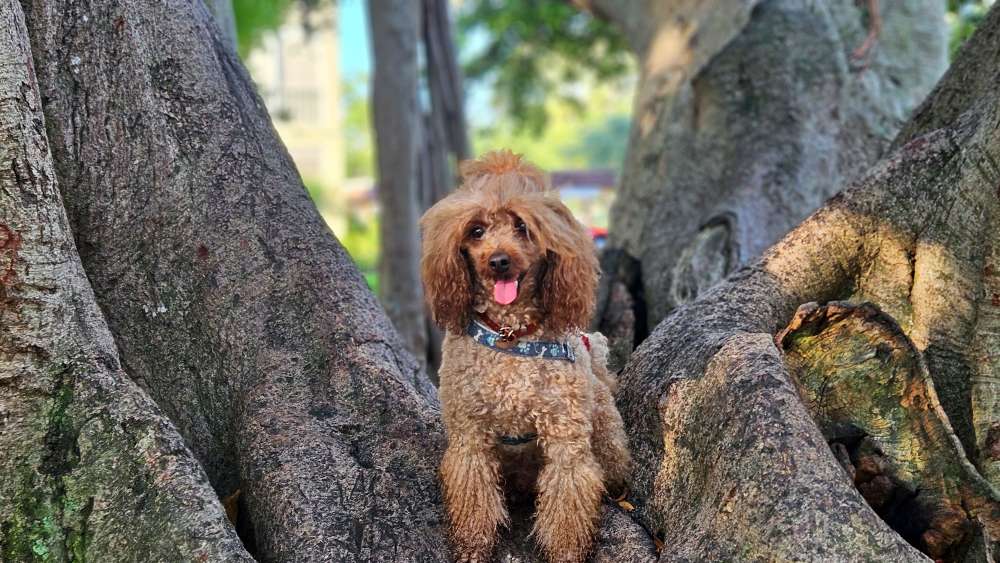
Bringing a new dog into your home is an exciting experience filled with dreams of long walks, playful park visits, and cozy cuddles. But for many new owners, especially those who have adopted a shy or anxious dog, the reality can be different. Instead of joyful outings, walks might become a source of stress, filled with pulling, hiding, and unexpected reactions to other dogs or people. If this sounds familiar, you’re not alone.
Many dogs, particularly those from shelters or with unknown histories, carry fears and anxieties that can make everyday activities challenging. This can be heartbreaking for owners who want nothing more than to see their new companion happy and confident. The good news is that with the right approach, you can transform your walking experience.
This guide will introduce you to the principles of compassionate dog walking. We’ll explore why your dog might be fearful, how to recognize their stress signals, and provide practical techniques to build their confidence. By learning to meet your pup where they are, you can turn walks from a stressful event into a bonding opportunity that fosters trust and joy.
Understanding Canine Anxiety and Fear
To help your dog, you first need to understand what they’re feeling. Fear and anxiety in dogs can stem from many sources. Past trauma, a lack of early socialization, a negative experience on a walk, or even genetic predispositions can all contribute. Common triggers include loud noises, unfamiliar people, other dogs, and new environments. For a rescue dog, the world outside your home can be an overwhelming place.
It’s crucial for owners to learn their dog’s unique body language. Dogs communicate their discomfort long before they bark or lunge. Recognizing these early warning signs allows you to intervene and create a positive outcome.
Signs of Stress and Fear in Dogs
Keep an eye out for these subtle (and not-so-subtle) cues during your walks:
- Yawning or lip licking when not tired or hungry.
- Panting when it’s not hot.
- A tucked tail or lowered body posture.
- “Whale eye,” where you can see the whites of their eyes.
- Freezing or becoming suddenly still.
- Refusing to walk or attempting to pull back toward home.
- Excessive sniffing of the ground without moving forward.
- Shaking or trembling.
- Hypervigilance, with ears pricked and eyes darting around.
When you notice these signs, your dog is telling you they are uncomfortable. Ignoring these signals can lead to an escalation in behavior, such as barking, lunging, or trying to escape.
The Power of Compassionate Dog Walking
Compassionate dog walking is about shifting your perspective. Instead of viewing a walk as a task to be completed, see it as an opportunity to build trust with your dog. This approach prioritizes your dog’s emotional well-being over distance or destination. It swaps force and correction for patience and positive reinforcement.
By creating a safe and predictable environment, you show your dog that they can trust you to protect them from whatever scares them. This foundation of trust is the most critical element in fearful dog training. When your dog knows you won’t force them into scary situations, their anxiety levels naturally decrease. Over time, they start to see the world as a less threatening place.
Actionable Tips for Walking an Anxious Dog
Ready to put these principles into practice? Here are some actionable tips for your next walk.
1. Choose the Right Gear
The right equipment can make a world of difference. Avoid using choke chains, prong collars, or shock collars, as these can increase fear and anxiety. Instead, opt for humane options:
- Front-clip harness: This type of harness provides better control without putting pressure on your dog’s neck. It discourages pulling by gently redirecting your dog back toward you.
- Double-ended leash: Paired with a harness that has both front and back clips, this gives you multiple points of contact and enhanced control.
- Fixed-length leash: A 6-foot leash is ideal. Avoid retractable leashes, as they offer little control and can cause serious injury if the lock mechanism fails.
2. Create a Safe Environment
Start small. If your dog is too scared to leave the house, don’t force them. Begin with short sessions in your yard or even just sitting on the front porch. Let your dog observe the world from a safe distance. Bring high-value treats—like small pieces of chicken or cheese—and reward them for calm behavior.
When you do venture out, choose your route wisely. Opt for quiet streets and times of day when you’re less likely to encounter triggers. Walking the same route every day can also build predictability and confidence.
3. Manage Reactivity with Positive Reinforcement
When you see a trigger (like another dog) in the distance, the goal is to create a positive association.
- Find the threshold: Notice the distance at which your dog sees the trigger but isn’t yet reacting. This is their threshold.
- Treat and retreat: As soon as your dog notices the trigger, start feeding them high-value treats. Keep treating until the trigger is gone. If the trigger gets too close, calmly turn and walk the other way, creating more space.
- Keep it positive: The goal is for your dog to learn that seeing another dog means good things (treats!) happen. Never punish your dog for reacting; this will only confirm their belief that the other dog is a threat.
4. Be Patient and Consistent
Building confidence takes time. There will be good days and bad days. The key is to remain patient and celebrate small victories. Did your dog look at another dog without barking? Amazing! Did they take two extra steps down the street? Fantastic! Consistency in your approach is what builds lasting change.
When You Need Professional Support
While these tips can be incredibly effective, some dogs need more specialized help. It might be time to call a professional if:
- Your dog’s fear or anxiety is not improving or is getting worse.
- Your dog has bitten or attempted to bite a person or another animal.
- You feel overwhelmed and unsure how to proceed safely.
Look for a certified professional dog trainer or a veterinary behaviorist who specializes in positive reinforcement and fearful dog training. These experts can create a customized training plan and provide the hands-on guidance you and your dog need.
Here in Nokomis, Vanda of I’ll Walk Your Dog’s is a trusted resource for owners of shy and anxious dogs. With a deep understanding of canine behavior and a commitment to compassionate methods, Vanda can provide the support you need to help your dog thrive. Whether you need guidance on a walk or a professional to take over, she has the experience to meet your pup where they are.
Build Confidence One Walk at a Time
Walking a shy or anxious dog presents unique challenges, but it also offers a profound opportunity to deepen your bond. By practicing compassionate dog walking, you are not just managing behavior; you are communicating with your dog in a language of trust and safety. Every time you advocate for your dog’s needs and create a positive experience, you are building their confidence one step at a time.
Remember to be patient, celebrate the small wins, and don’t hesitate to seek professional help. Your commitment to understanding and supporting your fearful companion will pave the way for many happy walks ahead.
Meta data
Meta title
Compassionate Dog Walking for Anxious Dogs in Nokomis
Meta description
Learn how to use compassionate dog walking to help your shy or fearful dog build confidence. Get practical tips for anxious dog walking in Nokomis.