
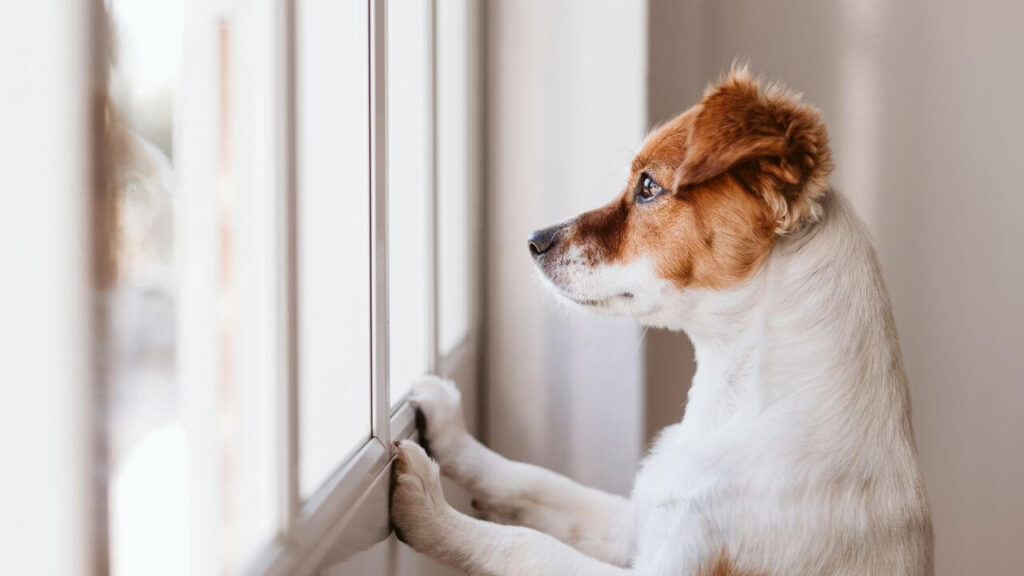
You clip on the leash, step outside, and immediately feel your dog tense up. A passing cyclist triggers a lunge. A distant bark sets off trembling. What should be an enjoyable stroll becomes a stressful ordeal for both of you.
Understanding Dog Anxiety
Dog anxiety is more common than many owners realize. Studies suggest that nearly 70% of dogs display some form of anxiety-related behavior. For reactive dogs, walks can transform from simple outings into overwhelming experiences filled with triggers and tension.
But here’s the good news: with the right knowledge and techniques, you can help your anxious dog feel safer and more confident during walks. This guide will walk you through recognizing the signs of dog anxiety, implementing practical management strategies, and knowing when to seek professional support—including expert services from Vanda of I’ll Walk Your Dog, who specializes in walking reactive dogs.
Identifying Dog Anxiety
Before you can help your dog, you need to recognize when they’re feeling anxious. Dog anxiety manifests in various physical and behavioral signs that are easy to miss if you don’t know what to look for.
Common Signs of Anxiety in Dogs
Anxious dogs often display visible stress signals:
- Tail tucking or a lowered tail position
- Excessive panting when the weather isn’t warm
- Trembling or shaking without an obvious cause
- Yawning frequently (a stress signal, not tiredness)
- Whale eye (showing the whites of their eyes)
- Pinned-back ears or a tense facial expression
- Excessive drooling or lip licking
- Refusal to walk or trying to turn back home
These behaviors indicate your dog is uncomfortable and struggling to cope with their environment.
Understanding Walk Triggers
Identifying what causes your dog’s anxiety is crucial for managing it effectively. Common triggers during walks include:
- Other dogs, especially when on-leash or approaching head-on
- Loud noises like traffic, construction, or sirens
- Unfamiliar people, particularly those moving quickly or unexpectedly
- Bicycles, skateboards, or joggers passing by
- Crowded or chaotic environments with too much stimulation
- Specific locations where a negative experience occurred previously
Pay attention to patterns. Does your dog react more in certain areas? At specific times of day? Understanding these patterns helps you plan calmer dog walks.
Strategies for Managing Anxiety
Once you’ve identified the signs and triggers, you can implement strategies to create a more positive walking experience.
Pre-Walk Preparation
Setting your dog up for success starts before you even leave the house.
Calming Techniques: Consider gentle massage on your dog’s chest, shoulders, and ears to release tension. Some owners find success with dog-safe aromatherapy products containing lavender or chamomile, though always consult your vet first.
Appropriate Gear: Equipment matters. A well-fitted harness distributes pressure more evenly than a collar, reducing strain on your dog’s neck when they pull. For reactive dogs, a front-clip harness gives you better control. Choose a leash length that provides enough freedom without sacrificing your ability to manage situations—typically 4 to 6 feet works well.
Mental Exercise: Tire out your dog’s mind before the walk with puzzle toys or a quick training session. A mentally stimulated dog often has less energy to devote to anxiety.
During the Walk
Your behavior significantly influences your dog’s emotional state.
Stay Calm: Dogs are incredibly perceptive. If you tense up when you see another dog approaching, your dog will notice and mirror that anxiety. Practice deep breathing and maintain relaxed body language.
Positive Reinforcement: Reward calm behavior immediately with high-value treats (small pieces of chicken, cheese, or special training treats). Praise your dog in a cheerful but calm voice when they look at you instead of fixating on a trigger.
Avoid High-Stress Areas: While exposure is sometimes necessary for training, daily walks should prioritize your dog’s comfort. Choose quieter routes and walk during less busy times when possible.
Create Space: If you encounter a trigger, calmly create distance. Cross the street, step behind a parked car, or simply increase the buffer zone between your dog and the stressor.
Techniques for Reactive Dogs
Reactive dogs need specialized approaches to help them develop better responses to triggers.
Counter-Conditioning and Desensitization: This process involves gradually exposing your dog to triggers at a distance where they notice but don’t react, then pairing that exposure with something positive (treats, play). Over time, you decrease the distance as your dog builds positive associations.
For example, if your dog reacts to other dogs at 50 feet, start training at 60 feet where they’re still calm. Reward them for looking at the other dog without reacting. Progress slowly.
Distance is Your Friend: Never force your reactive dog into close encounters. Managing distance prevents rehearsal of reactive behavior and keeps everyone safe.
Redirect Attention: Teach a strong “look at me” or “watch” command. When you spot a trigger before your dog does, redirect their attention to you with the command and a treat. This prevents the reactive response from even starting.
Emergency U-Turn: Train a cue that means “we’re turning around and heading the other way.” This gives you an exit strategy when situations become too intense.
Tools and Resources
The right equipment and knowledge can make a significant difference in managing dog anxiety.
Recommended Equipment
- Front-clip harnesses (brands like Freedom Harness or Easy Walk)
- 6-foot standard leashes for control and flexibility
- Treat pouches for quick reward access
- Calming aids like Thundershirts (compression garments)
- Long lines (15-30 feet) for practice in open, safe spaces
Training Resources
- Online courses: Many certified trainers offer virtual reactive dog courses
- Apps: BarkHappy and Dogo provide training exercises and tracking
- Books: “Control Unleashed” by Leslie McDevitt and “Click to Calm” by Emma Parsons are excellent resources
- Local training classes: Look for classes specifically designed for reactive dogs with controlled environments
When to Seek Professional Help
Sometimes, despite your best efforts, dog anxiety requires professional intervention.
Consider consulting a certified dog trainer or veterinary behaviorist if:
- Your dog’s reactivity is escalating or not improving
- Anxiety prevents normal daily activities
- You feel unsafe or overwhelmed managing your dog’s behavior
- Your dog shows aggression beyond typical reactivity
- Anxiety manifests in other areas beyond walks (separation anxiety, destructive behavior)
Vanda of I’ll Walk Your Dog specializes in working with reactive dogs and understands the unique challenges they face. With experience in managing anxious and reactive dogs, Vanda provides professional walking services that prioritize your dog’s emotional well-being while helping them build confidence. Professional support can be invaluable when you need expert guidance or simply need someone who can handle your dog’s specific needs during walks.
Building a Calmer Walking Routine
Managing dog anxiety isn’t about achieving perfection—it’s about progress. Each calm moment you create, every successful redirect, and all the times you avoid pushing your dog beyond their threshold contribute to long-term improvement.
Remember these key points:
- Recognize anxiety signs early before they escalate
- Prepare your dog mentally and physically before walks
- Use positive reinforcement consistently
- Manage the environment to set your dog up for success
- Progress at your dog’s pace, not on a predetermined timeline
Patience and consistency are your greatest tools. Some days will be harder than others, and that’s completely normal. What matters is your commitment to understanding and supporting your anxious dog through the process.
If you’re struggling with reactive dog walks or need professional support, Vanda of I’ll Walk Your Dog offers specialized services for anxious and reactive dogs. With expert handling and a compassionate approach, your dog can experience calm dog walks that build confidence rather than stress.
You don’t have to navigate this journey alone. The right strategies, tools, and support can transform walks from stressful ordeals into enjoyable experiences for both you and your dog.