
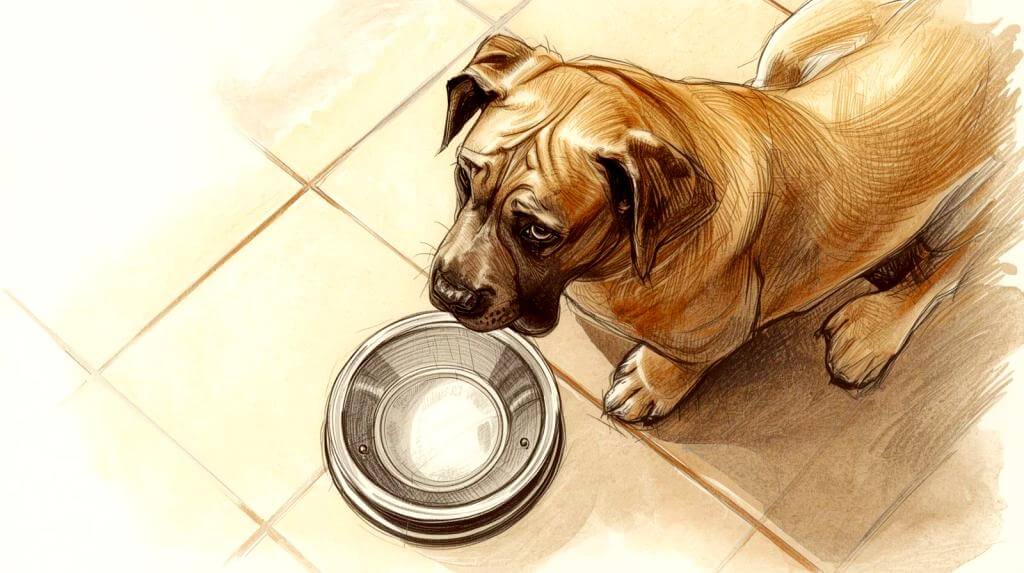
Bringing a new dog into your home is an exciting experience, but when that dog is shy or comes from a rescue background, it can also present unique challenges. You might find your new companion is fearful, anxious, or wary of new people and places. Building a bond with an anxious dog requires patience, understanding, and a gentle approach. The journey to earning their trust is a rewarding one, leading to a deep and meaningful relationship.
This guide will provide you with practical strategies to help your shy dog feel safe and confident. We will cover how to understand their body language, create a secure environment, and manage reactivity. With the right techniques, you can help your dog overcome their fears and learn to trust again, paving the way for a happy life together.
Understanding Your Dog’s Body Language
Before you can help your anxious dog, you need to understand what they are trying to tell you. Dogs communicate primarily through body language, and recognizing the subtle signs of stress is the first step in effective dog trust training.
Common Signs of Fear and Anxiety
An anxious dog may display a range of behaviors to show they are uncomfortable. Being able to spot these signs allows you to remove them from a stressful situation before their fear escalates.
- Lip Licking and Yawning: While dogs yawn when tired, frequent yawning or lip licking when not eating can be a sign of stress.
- Whale Eye: This is when a dog shows the whites of their eyes. It often means they feel threatened and are monitoring a situation.
- Tucked Tail: A tail tucked between the legs is a classic sign of fear.
- Pinned Ears: Ears that are flattened against the head indicate anxiety or submission.
- Panting: Panting when it’s not hot or after exercise can be a signal of stress.
- Cowering or Hiding: An obviously fearful dog might try to make themselves smaller or hide behind you or under furniture.
- Freezing: If a dog suddenly becomes completely still, they are likely assessing a perceived threat and deciding how to react.
Interpreting these signals correctly is crucial. By paying close attention, you can learn your dog’s specific triggers and comfort levels, which is the foundation of building trust.
Creating a Safe Environment
Your home should be a sanctuary for your new dog, a place where they can relax and feel secure. For a shy or anxious dog, establishing this safe space is vital for their well-being and for your relationship with them.
Set Up a Decompression Zone
When you first bring your rescue dog home, they need time to decompress. Designate a quiet, low-traffic area of your house as their personal space. This could be a crate (with the door open), a comfortable bed in a corner, or even a separate room.
- Make it cozy: Fill the space with soft blankets and a few safe toys.
- Respect their space: Instruct everyone in the household, including children, not to bother the dog when they are in their safe zone. This area is their retreat.
- Use positive association: Occasionally drop high-value treats in their space when they aren’t looking. This helps them associate the area with good things.
Managing Triggers at Home
Identify what triggers your dog’s anxiety within the home. Common triggers include loud noises (like the vacuum cleaner), unfamiliar visitors, or even certain objects. Once you know the triggers, you can manage them. For example, you can put your dog in their safe space with a special chew toy before you start vacuuming. When guests come over, ask them to ignore the dog initially, allowing your pup to approach them on their own terms.
Gradual Exposure and Socialization
Socialization for a shy dog is not about throwing them into a busy dog park. It’s about carefully controlled, positive introductions to new things. The goal is to build their confidence one small step at a time.
Use positive reinforcement to create good associations. This means pairing new or scary things with something your dog loves, like high-value treats or praise.
- New People: Start with one calm friend. Have them come over and completely ignore the dog. Ask your friend to toss treats in the dog’s direction without making eye contact. Over several sessions, your dog may start to approach them willingly.
- New Places: Begin with short, quiet walks in your neighborhood during off-peak hours. As your dog becomes more comfortable, you can gradually visit slightly busier areas. Always keep these experiences short and positive.
- Other Dogs: Only introduce your dog to calm, well-behaved dogs you know. Keep initial meetings brief and on-leash in a neutral area.
Always let your dog set the pace. If they show signs of stress, it’s a signal to take a step back. Pushing them too far, too fast can set your dog trust training back significantly.
Walking a Reactive Dog
Walks can be a major source of stress for a reactive dog—one that barks, lunges, or pulls at the sight of other dogs, people, or cars. The key is to manage their environment and teach them alternative behaviors.
- Use the Right Equipment: A front-clip harness or a head halter can give you better control without causing pain. Avoid using choke or prong collars, as these can increase fear and anxiety.
- Maintain Distance: Try to spot triggers from a distance and create space by crossing the street or turning around. The goal is to stay “under threshold,” meaning at a distance where your dog notices the trigger but is not yet reacting.
- Practice Engagement: Teach your dog a “look at me” or “touch” cue at home. On walks, use this cue to redirect their attention back to you before they can react to a trigger. Reward them enthusiastically when they do.
Walks should be an opportunity for your dog to explore and de-stress, not a constant battle. By being proactive, you can make walks more enjoyable for both of you.
When You Need Professional Help
Sometimes, despite your best efforts, you might need extra support. If your dog’s anxiety is severe, or if you’re struggling to make progress, it’s time to call in a professional. A certified dog trainer or a veterinary behaviorist can provide a tailored plan for your dog’s specific needs.
Here in our local community, Vanda of I’ll Walk Your Dog’s specializes in helping anxious and reactive dogs. Vanda has experience working with shy and fearful dogs, using positive, force-free methods to build confidence and trust. Whether you need help with socializing your dog or managing reactivity on walks, her services are designed to support you and your canine companion on your journey.
A Rewarding Journey Ahead
Helping a shy dog learn to trust is a process that requires commitment and empathy. By understanding their communication, creating a safe home, and introducing new experiences carefully, you can guide them toward becoming a more confident and secure companion. Remember to celebrate the small victories and be patient with the setbacks. The bond you build will be unbreakable, and the love you receive in return will be immeasurable.