
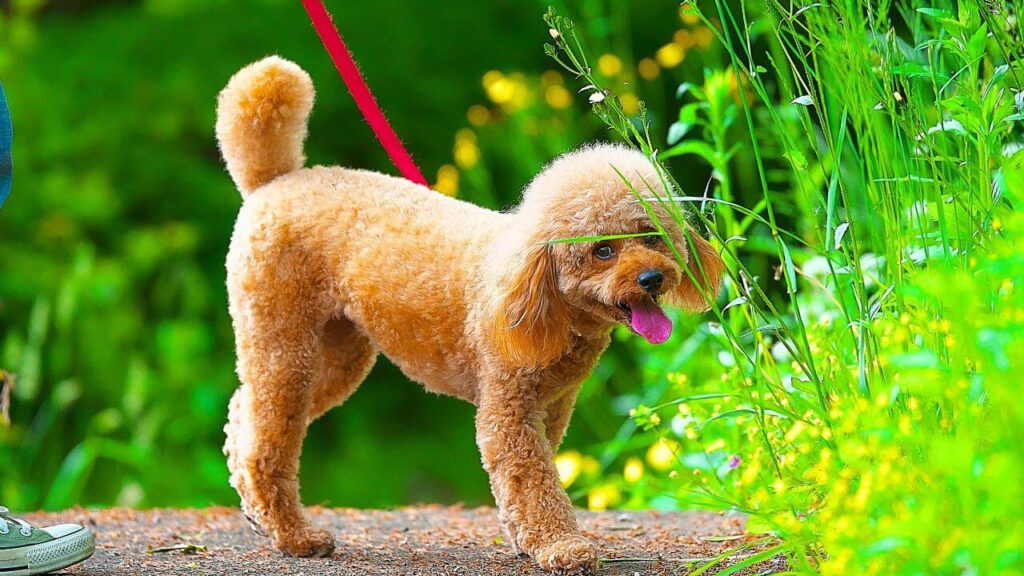
Dogs are known for their exceptional sense of smell, which plays a significant role in their overall well-being. Allowing your dog to sniff during walks not only provides mental stimulation and stress relief but also helps them connect with their environment.
Dog Sniff During Walks
In this blog post, we will delve into the fascinating world of canine olfaction and discuss the many advantages of letting your dog sniff during walks.
Canine Sense of Smell: A Biological Marvel
Dogs possess an extraordinary sense of smell, far superior to that of humans. While we have around 5 million olfactory receptors, dogs have between 125 million and 300 million, depending on the breed. This allows them to detect scents at concentrations up to 100,000 times lower than what humans can perceive.
The part of a dog’s brain dedicated to analyzing smells is also proportionally larger than in humans, making them incredibly efficient at decoding olfactory information. This powerful sense of smell enables dogs to gather valuable information about their surroundings, helping them navigate, communicate, and even detect potential dangers.
Mental Stimulation and Stress Relief
Allowing your dog to sniff during walks is crucial for their mental health. Sniffing provides mental stimulation and engages your dog’s brain as they interpret the various scents they encounter. This cognitive workout can help prevent boredom, which may lead to destructive behaviors or anxiety.
Research has shown that dogs who are allowed to sniff during walks exhibit lower stress levels compared to those that are not. Sniffing helps dogs release calming hormones such as oxytocin and serotonin, which can reduce anxiety and promote a sense of well-being.
Dog sniffing a flower
Balancing Sniffing Time with Structured Walks
While it’s essential to let your dog sniff during walks, it’s equally important to maintain a balance between sniffing time and structured walking. Here are some tips to helpyou find the right balance for your dog:
Designate sniffing spots: Choose specific areas or landmarks during your walk where you’ll allow your dog to sniff and explore. This will give them something to look forward to while still maintaining structure on your walks.
Use a cue for sniffing time: Teach your dog a cue, like “go sniff” or “explore,” to signal when it’s time for them to investigate their surroundings. This way, you can communicate to your dog when it’s okay to sniff and when it’s time to keep moving.
Incorporate training sessions: Mix up your walks by incorporating short training sessions. This will help maintain your dog’s focus and provide additional mental stimulation. For example, practice basic commands such as “sit,” “stay,” or “heel” during your walk.
Alternate between structured walks and sniff walks: Switch up your walking routine by dedicating some walks entirely to sniffing and exploration, while others are more focused on structured exercise. This will ensure your dog gets the mental stimulation they need while still getting adequate physical exercise.
Adjust the length of the leash: Using a longer leash during sniffing sessions can give your dog more freedom to explore while still maintaining control. Be sure to switch back to a shorter leash for structured walking or when in high-traffic areas.
Dog sniffing during a walk
Dog sniffing during a walk
In conclusion, allowing your dog to sniff during walks is essential for their mental well-being and overall happiness.
By understanding the biological reasons behind their strong sense of smell and finding the right balance between sniffing time and structured walks, you can provide a fulfilling and enriching experience for your furry friend.
So, the next time you go for a walk, remember to let your dog stop and smell the roses (or fire hydrants) – it’s all part of their unique way of experiencing the world!